
925 Sterling Silver: What the Number Means, Why It Tarnishes, and How to Spot Real Silver
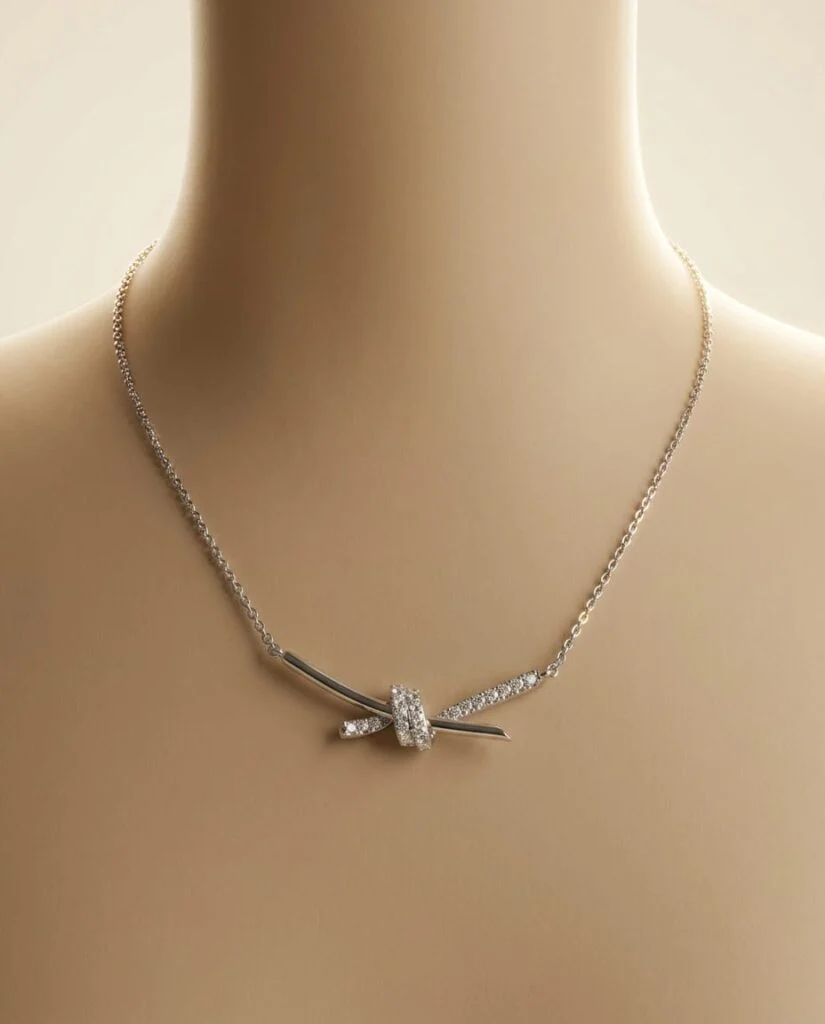
Most silver jewelry in the world is stamped with the number 925. What does that number mean, why does silver darken over time, and how do you keep it shining? All the answers in one guide.
What is 925 silver?
925 silver, or sterling silver, is an alloy of 92.5% pure silver and 7.5% other metals, usually copper. Completely pure silver (999) is too soft and scratches and bends easily. The small addition gives the piece strength without changing how it looks.
How to spot real silver
- Stamp: look for 925, S925 or STERLING, usually inside a ring or near the clasp of a necklace.
- Magnet: silver is not magnetic. If the piece sticks, it is not silver. (Other metals are not magnetic either, so this is only a partial test.)
- Jeweler test: a small chemical test gives a definite answer.
Why does silver tarnish?
Tarnish is a thin layer that forms when silver reacts with sulfur compounds in the air. It is a natural process, not a sign of fake silver, and it can be cleaned. Humidity, perfume, lotions, pool chlorine and seawater speed it up. Even eggs and onions, which are rich in sulfur, can darken silver kept near them.
Much silver jewelry is plated with rhodium, a bright white metal that slows tarnishing. Over the years the plating wears at contact points, and a jeweler can renew it.
How to clean silver jewelry at home
- Rinse in lukewarm water with a little mild soap.
- Gently clean crevices with a soft toothbrush.
- Dry thoroughly with a soft cloth.
- For heavy tarnish, use a silver polishing cloth with gentle strokes.
Avoid abrasive pastes and cleaning products containing chlorine, which can damage the silver and the stones.
How to keep the shine
- Take jewelry off before showering, swimming in the sea or pool, and working out.
- Put on lotion and perfume first, then your jewelry.
- Store each piece separately in a sealed bag or box to prevent scratches and air exposure.
Is 925 silver suitable for sensitive skin?
For most people, yes. Jewelry allergies are usually caused by nickel, a metal found mainly in cheap fashion jewelry. If you have a known allergy, it is best to ask before you buy.
For the full collection: 925 silver jewelry for women, including silver rings and silver necklaces.